A potential client lands on your hotel, riad, or showroom listing online. They have five seconds to decide whether to keep looking or move on. What they see in that precise moment — a series of carefully framed photos or an interactive tour where they navigate freely through your space — can make all the difference between a booking and a bounce.
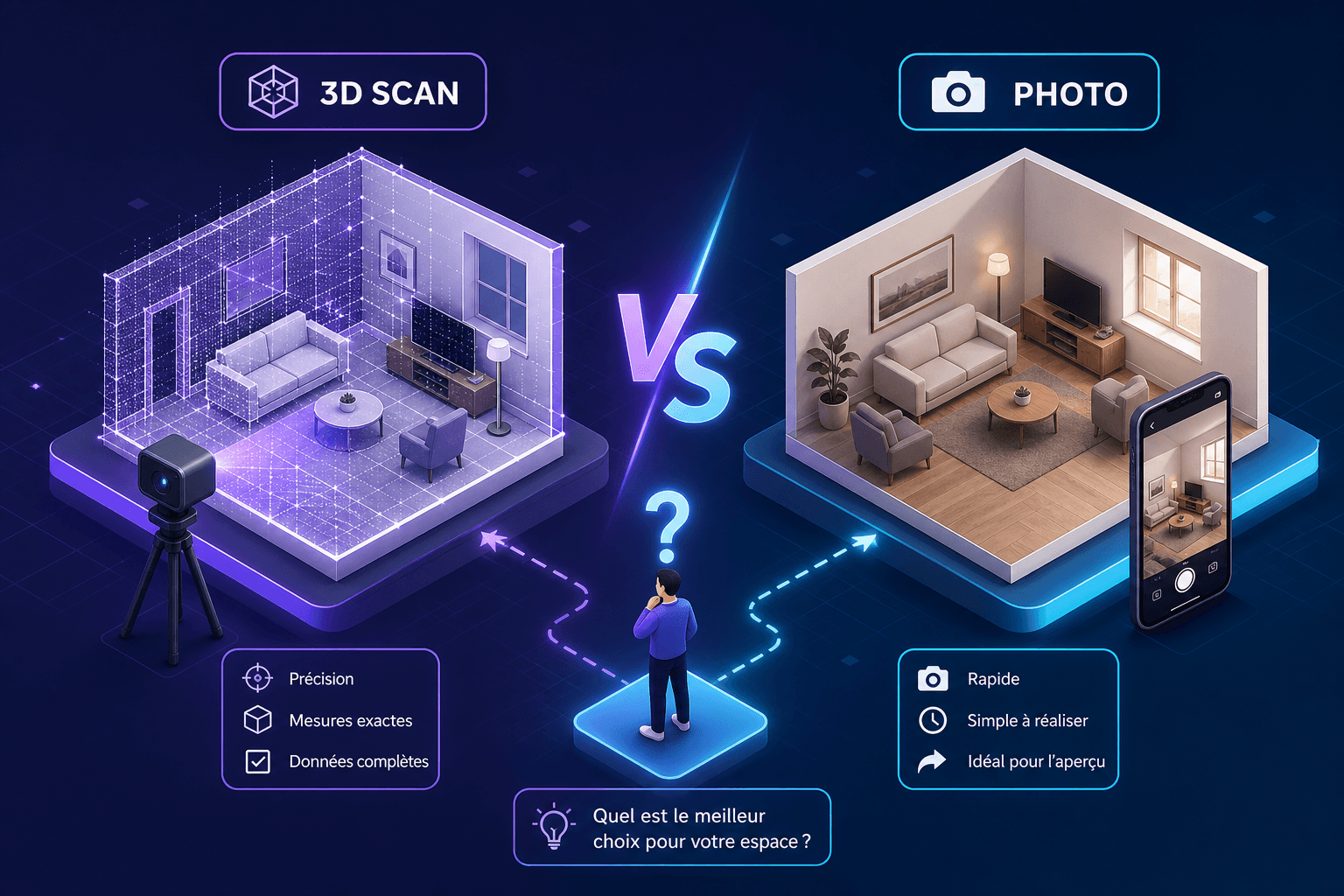
3D scan or professional photography: the question comes up regularly among commercial space and hospitality managers in Morocco. It is not just a budget question. It is a question of what you want your visitor to understand and do after discovering your space online. Here is a concrete comparison of both options, with sector-specific examples, to help you make the right call.
What professional photography actually delivers
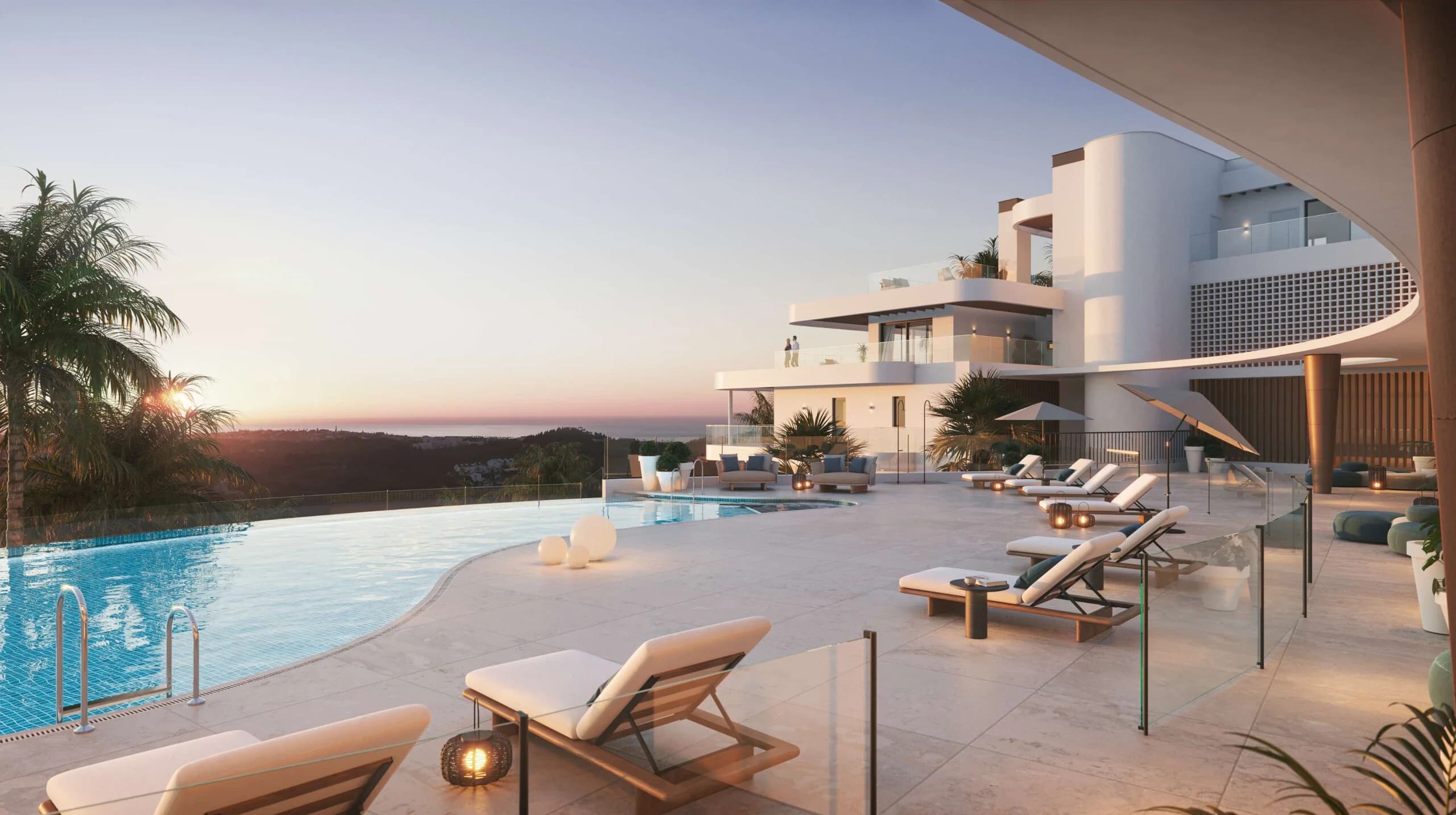
A well-executed hotel photograph — with controlled lighting, careful staging, and consistent color treatment — creates an immediate emotional impression. It is the format that works best on platforms like Booking.com, Instagram, or travel magazines, where an image must grab attention in a fraction of a second. For spaces with a strong visual identity — a centuries-old riad with its zellige tiles, a suite overlooking the Atlas, a clean-lined showroom — professional photography captures atmosphere better than any other static format.
In Morocco, a professional photo session for a hospitality or commercial property typically represents an investment of between 2,500 and 4,000 dirhams, depending on the size of the venue, the level of retouching, and the number of visuals delivered (indicative estimate based on local market rates in 2026). It is a solid editorial communication tool, suited to advertising campaigns, social media, and print materials.
But that same strength becomes a limitation the moment a visitor wants to understand the space rather than admire its atmosphere. A photo series remains a subjective selection: the visitor only sees what the photographer chose to frame. They cannot move around freely, assess volumes, check whether the room is as spacious as it looks, or understand how a banquet hall is organized. For decisions made at a distance — particularly luxury stay or event venue bookings — this opacity creates hesitation and back-and-forth emails before any confirmation.
What 3D capture changes for an online visitor
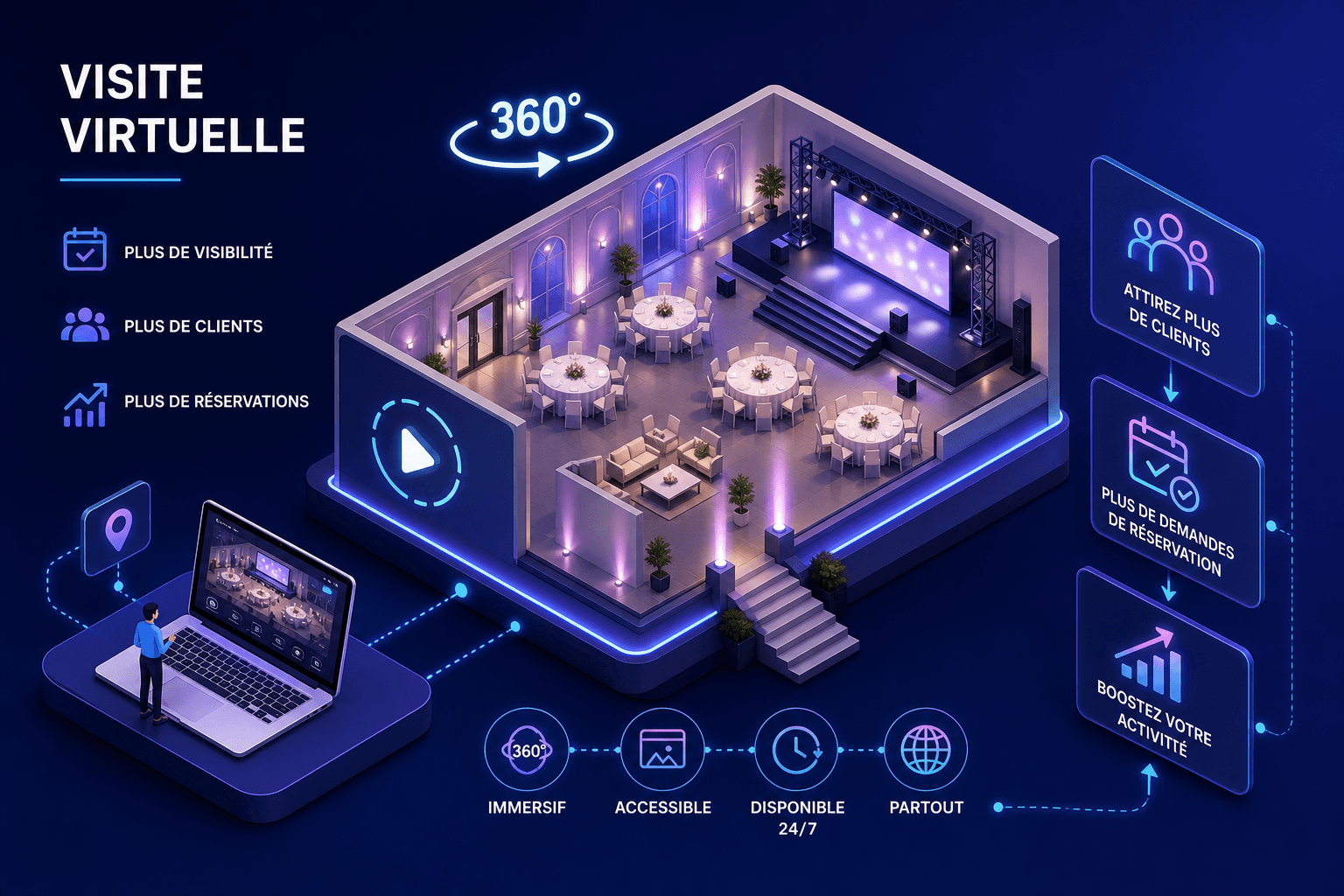
With a 3D scan, your visitor enters your space as if they were physically there. They choose where to look, which room to enter, how long to linger in the lounge or the banquet hall. This freedom of navigation fundamentally transforms the relationship they develop with your space before even visiting. For a couple searching for a wedding venue in Marrakech from Paris, or a buyer exploring a furniture showroom from Dubai, this is often what tips interest into decision.
According to data published by Matterport and relayed by HospitalityNet, properties that integrate an interactive 3D tour into their online presence see visitors spend three times longer on their page compared to a standard photo gallery, with measured increases in direct bookings of between 14% and 16%. This is not an abstract phenomenon: it is the direct result of a visitor who has explored the space in depth and arrives at the decision stage with precise and realistic expectations.
Matterport 3D capture technology does not just produce an interactive tour. It automatically generates a processed point cloud mesh, a dollhouse view, a precise floor plan, and clickable information points embedded directly in the space. Thanks to the LiDAR scanner's millimeter-level precision, the visitor gains a spatial understanding that no photo can offer. For a hotelier, this means fewer repetitive inquiries and guests who arrive with expectations aligned to reality.
Concrete comparison by space type
A riad sells a sensory experience above all else. Photos capture the light in the inner courtyard, the texture of tadelakt walls, the greenery of the garden. They remain essential for marketing materials and social media. But the labyrinthine layout of a riad — its levels, terraces, and hidden suites — is only truly understood through free navigation. Properties that combine both formats generally see a noticeable reduction in pre-booking questions and a better match between guest expectations and the actual stay.
For a high-end furniture showroom or concept store, professional photography alone is not enough. 3D digitization allows product tags to be embedded directly in the tour: the visitor clicks on a sofa and consults the reference, price, and available options. Photos remain useful for catalogs and ads, but they cannot replace this ability to turn a virtual exploration into a potential purchase from anywhere in Morocco or abroad.
As for event organizers and couples planning a wedding, they are making decisions worth tens of thousands of dirhams without always being able to visit in person. A photo shows how the room looks on the day of the event. A 3D scan lets them understand the raw volumes, traffic flow, and adjacent spaces for the cocktail or dinner. This level of transparency shortens the decision cycle and builds trust before the contract is signed.
Costs, timelines, and long-term value
A lasting asset vs. a recurring investment
A professional photo session is a recurring investment. With every renovation, decor change, or new season, photos need to be updated. A 3D scan service represents an upfront investment comparable to a high-end photo session — not to be confused with purchasing a professional scanner, which is an entirely different budget. The difference lies in content lifespan: the tour can be updated selectively and remains fully usable for several years. This is where the value equation changes fundamentally.
Comparable delivery timelines
On timelines, a well-organized photo session delivers retouched results within a few business days. A professional Matterport scan with AI-assisted post-production can be delivered in around 48 hours, depending on the size of the venue and the provider. The deliverable includes the embeddable interactive tour, the floor plan, and configured hotspots. For a commercial or hospitality space that needs to update its online presence quickly, this turnaround is a concrete advantage.
Relying solely on professional photography carries a real risk: the client arrives and finds the space different from what they had imagined based on carefully selected angles. Relying solely on the 3D scan without editorial visuals means missing opportunities on channels where the static format still dominates — social media, press, online advertising. Both formats have distinct and complementary roles in a complete presentation strategy.
Do you really have to choose between 3D scan and photo?
For a space that relies primarily on editorial communication, social media, or press campaigns, professional photography covers the essentials. A restaurant building its Instagram presence, a boutique preparing a seasonal catalog, or a brand producing advertising visuals does not necessarily need a full 3D tour. The static format holds an irreplaceable place in these contexts.
On the other hand, as soon as a purchase or booking decision is made at a distance, as soon as the space is complex to grasp from photos, or as soon as the transaction value is high, 3D digitization becomes the most effective tool. This is especially true for hotels targeting an international clientele, event venues, high-end showrooms, and luxury properties for rent or sale.
The spaces that perform best online use both formats in a complementary way: photography to capture attention and build brand image, the 3D scan to convince and convert. This is not a double-budget question. It is about covering the two key moments of the customer journey — discovery and decision.
One site visit, two complete deliverables
What few property owners know is that a Matterport scan produces not only a complete interactive 3D tour but also high-resolution still images exportable directly from the model. These images and exports (MatterPak, OBJ, etc.) are professional-quality image files, usable across your marketing materials, website, and social media. A single on-site visit therefore delivers both the immersive tour and visuals usable across all your communication channels.
This is the logic behind how Immersio operates in Morocco. One site visit, a professional Matterport capture, and a fast delivery that includes the embeddable interactive tour, the floor plan, configured hotspots, and exportable visuals. For hotels, riads, showrooms, and event venues across the country — from Marrakech to Casablanca, Fez to Agadir — it is a concrete way to get both formats without multiplying providers, schedules, and budgets.
What this changes for your online presence
Professional photography and 3D digitization are not in competition. They serve different moments in your potential client's journey: one captures attention, the other closes the decision. For a riad, hotel, showroom, or reception venue, ignoring either one means leaving bookings and sales on the table.
The real question is not "3D scan or photo" — it is "how to make the most of both intelligently, in a single visit, with a result ready to deploy quickly." Which format serves your visitor at which stage of their thinking? Providers who master this complementarity can now deliver both from a single visit. That efficiency is precisely what distinguishes a simple content update from a real investment in your conversion rate.
If you manage a commercial or hospitality space and want to understand which format fits your situation, contact Immersio for a no-commitment conversation. The team can assess your space, recommend the right deliverables, and show you what a professional scan produces in practice — before you make any decision.